
- 40% of UK adults have fallen victim to a scam from companies posing as fake insurers or accident management companies, with the average financial loss at £650, and £400 for insurance related scams
- Admiral has identified 564 fraudulent claims management adverts this year, a 162% increase on 2025
- Admiral Insurance and Cyberhood Watch are launching online training to help customers spot scams and protect themselves
- Admiral says AI will lead to an increase in scams in 2027, while 77% of UK adults find AI is making scams more believable
The UK is experiencing an insurance ‘scamdemic’ according to Admiral Insurance, with new research showing 42% of UK adults have been targeted by an insurance related scam, most commonly involving car insurance (31%)1.
So far in 2026, Admiral Insurance has identified 564 bogus internet adverts from fraudulent claims management companies pretending to be Admiral – a 162% increase on 20252, which often include using generic pre-recorded phone greetings and unofficial websites to trick customers into thinking they are dealing with Admiral.
Other common scams seen by Admiral include fake websites, phishing emails and text messages, purporting to be from Admiral and identity theft. Identity theft is where someone takes out a policy in someone else’s name and makes fake claims. The Insurance Fraud Bureau (IFB) has recorded a 13% rise in identity theft linked to insurance fraud networks, identifying nearly 600 cases so far this year3.
In response, Admiral is partnering with Cyberhood Watch, the community-led cybercrime organisation, to launch a dedicated training programme to help consumers understand how insurance scams are evolving, how to protect themselves and how to report suspected fraud.
Worryingly, despite three quarters (76%) of people saying they’re confident they could spot a scam, 40% have fallen victim to one - losing £650 on average. For insurance-related scams, the average reported loss was £394, but the impact goes beyond money, with 35% saying encountering scams makes them less trusting of people or organisations and 36% saying it makes them less likely to respond to genuine messages or offers.
As scams continue to evolve, Admiral believes AI will lead to an increase in attempted scams in 2027. Meanwhile, 77% of people think AI is making scams more believable, with a quarter of people (25%) already not confident they could spot a scam.
Terry Evetts, Admiral’s Group Head of Digital Risk and UK Data Protection Officer, says: “Scammers are deliberately exploiting our customers’ trust by posing as Admiral and other legitimate businesses, and the consequences can be devastating, both financially and emotionally.
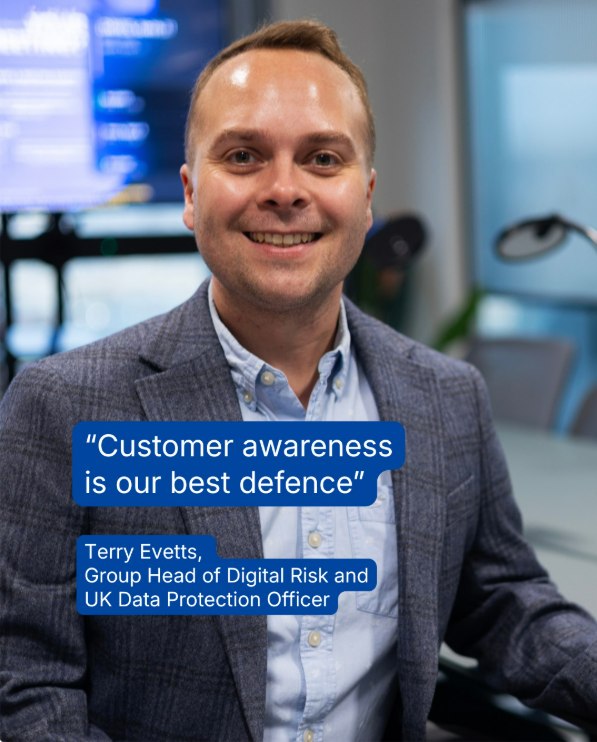
“The tactics are becoming more convincing and more sophisticated, but so are ours. Our teams work diligently to identify attempts to impersonate us, but our customers themselves are our best defence. That’s why we’re working with Cyberhood Watch to give people practical tools to spot the warning signs and act before an insurance scammer gets the chance to do real harm.
“If someone contacts you claiming to be Admiral and something doesn’t feel right, stop and check with us directly. We would always rather you question a genuine message than fall victim to a convincing fake.
“We are urging everyone to be vigilant and ask that anyone who’s unsure whether they are dealing with a bogus company to not sure any personal information and contact Admiral directly.”
With the partnership announced during Cybersecurity Awareness Month, Admiral’s Terry Evetts is sharing his top tips for spotting insurance scams and protecting yourself from fraud:
1. Stop and think: Be wary of unexpected contact about an accident, claim, policy or payment, especially if you’re pressured to act immediately.
2. Check who it’s really from: If someone is claiming to be your insurer, look closely at email addresses, phone numbers and URLs. Look out for inaccurate spelling, unfamiliar domains or small changes to a company name.
3. Don’t be pressured: Before giving a claims management company your details, check that the company is genuine and authorised. Don’t assume a professional-looking website or a helpful cold caller means it’s legitimate.
4. Don’t click or share personal information: Avoid clicking unexpected links or sharing other sensitive information like passwords. If in doubt, contact your insurer directly.
5. Keep your passwords secure: Use strong, unique passwords for your insurance and other accounts, change them regularly and avoid using the same password everywhere.
6. Don’t be fooled by a scam that knows your story: Fraudsters can use publicly available information to make a scam feel personal and convincing. If someone contacts you about an accident, claim or policy you don’t recognise, verify it independently.
7. Contact your insurer directly if you think you’ve been scammed: Don’t use the contact details in the message or website you’ve been using - find your insurer’s official contact details and report what’s happened straight away.
John Hayward-Cripps, CEO of Neighbourhood and Cyberhood Watch adds: “Scammers are constantly changing how they reach people, including when they’re trying to make insurance scams look genuine. Social media remains a major route to potential victims, alongside tactics such as missed calls encouraging people to move the conversation to WhatsApp.
“Cyberhood Watch works to improve people’s understanding of cybercrime and build their confidence online, so we’re pleased to bring that expertise to our work with Admiral and help people better recognise and respond to scams.”